How to Choose a Face Serum for Your Skin
How to choose a face serum becomes much easier when you understand your skin type, your skincare goals, and the ingredients that can support your routine. With so many face serums available, choosing one can feel confusing at first. However, you can narrow down your options by focusing on what your skin actually needs.
A good serum should fit naturally into your skincare routine. Therefore, instead of choosing a product because it looks popular, consider its ingredients, formula, and intended use.
How to Choose a Face Serum Based on Your Skin Type
Your skin type gives you a useful starting point when you learn how to choose a face serum. Generally, skin can feel dry, oily, combination, or sensitive. Each type may respond differently to skincare products.
Before buying a serum, notice how your skin feels after cleansing and throughout the day. This simple step can help you choose a formula that feels comfortable.
How to Choose a Face Serum for Dry Skin
Dry skin often feels tight, rough, or uncomfortable. If you experience these concerns, look for a serum that focuses on hydration.
Hyaluronic acid is a popular ingredient in hydrating serums because it helps the skin hold moisture. In addition, a gentle formula can work well alongside a moisturizer.
When deciding how to choose a face serum for dry skin, avoid choosing a product only because it contains many ingredients. Instead, look for a simple formula that matches your skincare needs.
How to Choose a Face Serum for Oily Skin
Oily skin can produce excess natural oil, especially around the forehead, nose, and chin. Therefore, a lightweight serum may feel more comfortable than a heavy formula.
Niacinamide is a common ingredient in skincare products designed for oily and combination skin. It can support a more balanced-looking complexion while fitting easily into a simple routine.
If you want to know how to choose a face serum for oily skin, check the product texture and ingredient list before making your choice.
How to Choose a Face Serum for Combination Skin
Combination skin can have oily areas as well as areas that feel dry. Because of this, finding the right balance matters.
When considering how to choose a face serum for combination skin, look for a lightweight formula that works comfortably across your face. You can also keep the rest of your routine simple to avoid unnecessary product buildup.
Most importantly, pay attention to how your skin responds. If a product feels too heavy or uncomfortable, reconsider whether it fits your routine.
Choosing a Serum for Sensitive Skin
Sensitive skin may react more easily to certain skincare ingredients. So, check the ingredient list carefully before choosing a new product.
A simple formula can make it easier to understand how your skin responds. Additionally, introduce one new skincare product at a time instead of changing your entire routine at once.
Before applying a new serum across your face, follow the product instructions for testing it on a small area. If you notice persistent irritation or discomfort, stop using the product and seek advice from a qualified skincare professional.
Understanding Serum Ingredients
After identifying your skin type, look at the ingredients. This step can help you understand what a serum aims to support.
For example, hyaluronic acid commonly appears in hydrating products. Vitamin C often appears in skincare routines that focus on a brighter-looking complexion. Likewise, niacinamide appears in many products designed for oily, combination, and uneven-looking skin.
Instead of choosing a product because it contains many ingredients, focus on the ones that match your skincare needs.
Choosing a Serum for Hydration
If hydration remains your main goal, look for ingredients that support the skin's moisture levels. Hyaluronic acid remains a popular choice, especially for people who want a lightweight hydrating product.
After cleansing, apply the serum according to its instructions. Then, follow with a moisturizer. This simple combination can keep your routine practical and easy to maintain.
Choosing a Serum for Brighter-Looking Skin
For a brighter-looking complexion, vitamin C is a popular skincare ingredient. Many people include vitamin C serums in their morning routines.
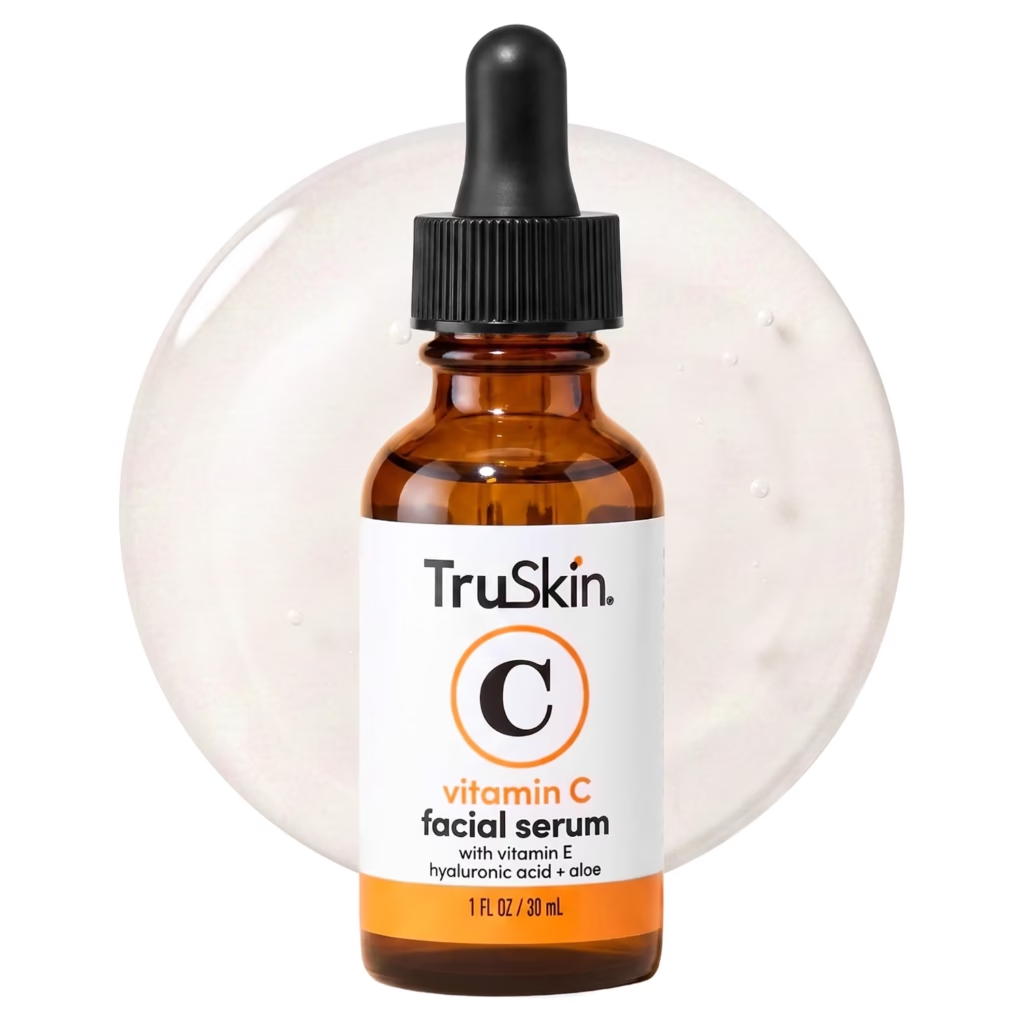
For example, TruSkin Vitamin C Serum offers a vitamin C-based option for a skincare routine focused on a brighter-looking appearance.
However, the right product depends on more than one ingredient. Check the complete product information, follow the manufacturer's directions, and consider whether the formula suits your skin.
Building a Simple Daily Routine
A serum should make your routine easier, not unnecessarily complicated. Therefore, start with one product that matches your main skincare goal.
A basic routine can include a cleanser, serum, moisturizer, and sunscreen during the day. In the evening, you can keep things simple by cleansing, applying your chosen serum, and moisturizing.
Finally, consistency matters. Give your routine time, follow product directions, and avoid adding several new products at the same time.
How to Choose a Face Serum That Fits Your Routine
When you understand your skin type and main skincare concern, the next step is finding a serum that fits your daily routine. How to choose a face serum becomes much simpler when you focus on a few practical factors instead of comparing every product available.
First, consider the formula. Then, check the ingredients and product directions. Finally, think about how easily the serum fits with the products you already use.
How to Choose a Face Serum by Checking the Formula
The texture of a serum can affect how comfortable it feels on your skin. Lightweight formulas may work well for people who prefer products that absorb easily, while richer formulas may feel more suitable for those who want additional moisture.
Therefore, when deciding how to choose a face serum, consider both your skin type and the texture you prefer. A product should feel comfortable enough to use consistently.
How to Choose a Face Serum Without Using Too Many Products
A complicated routine can make skincare difficult to maintain. Instead, start with one serum that addresses your main concern.
For example, if hydration is your priority, begin with a hydrating serum. If you want to support a brighter-looking complexion, consider a product containing vitamin C.
This simple approach also helps you understand how your skin responds to each product.
How to Choose a Face Serum and Read the Label
The product label provides important information. Before purchasing a serum, check the ingredients, directions, warnings, and recommended usage.
Also, pay attention to the product's storage instructions when provided. Some skincare formulas need specific storage conditions to maintain their quality.
When learning how to choose a face serum, do not ignore these details. They can help you use the product correctly and avoid unnecessary mistakes.
How to Choose a Face Serum for Morning Use
Some people prefer to use their serum in the morning because it fits easily into their daytime routine. If you use a vitamin C serum, follow the product's instructions and complete your routine with sunscreen.
A simple morning routine can start with cleansing. Next, apply your serum, followed by moisturizer if needed. Finally, apply broad-spectrum sunscreen.
Remember, sunscreen plays an important role in protecting exposed skin from UV radiation.
How to Choose a Face Serum for Evening Use
An evening routine gives you another opportunity to use a suitable serum. Start by cleansing your face to remove makeup, sunscreen, oil, and daily buildup.
Next, apply your serum according to its directions. After that, use a moisturizer that suits your skin.
If you already use other active skincare products, introduce new products carefully. Combining several strong ingredients without understanding their compatibility can make your routine unnecessarily complicated.
How to Choose a Face Serum and Introduce It Slowly
When trying a new serum, start gradually. Your skin may need time to adjust to a new ingredient or formula.
Rather than changing several products together, introduce one new product at a time. This makes it easier to identify the cause if your skin develops irritation.
Additionally, follow the recommended frequency on the product label. Do not increase the amount or frequency simply because you want faster results.
How to Choose a Face Serum Based on Your Main Goal
Your main skincare goal should guide your decision. For hydration, look for ingredients commonly used in moisturizing formulas. For a brighter-looking complexion, vitamin C may suit your routine. For oily or combination skin, you may prefer lightweight products with ingredients such as niacinamide.
Consequently, how to choose a face serum depends on matching the product with your personal skincare needs.
There is no need to choose the most expensive option. Instead, look for a suitable formula, clear product information, and ingredients that make sense for your routine.
How to Choose a Face Serum and Stay Consistent
Consistency can make a skincare routine easier to manage. Once you select a suitable serum, follow its directions and give yourself time to understand how it fits into your routine.
At the same time, avoid constantly switching between products. Frequent changes can make it difficult to know which products work comfortably for your skin.
Keep your routine practical and make changes only when you have a clear reason.
Final Tips for Choosing the Right Serum
Learning how to choose a face serum does not require a complicated skincare routine. Start with your skin type, identify your main concern, and then check the ingredients and instructions.
Next, introduce the product gradually and use it as directed. Keep your cleanser, moisturizer, and sunscreen routine simple as well.
Most importantly, listen to your skin. If you experience persistent irritation, stop using the product and speak with a qualified skincare professional.
With a thoughtful approach, you can choose a serum that fits your routine without filling your skincare shelf with unnecessary products.
Pingback: Best Face Wash for Oily Skin: A Simple Guide | Alexveya
Pingback: The Ordinary Niacinamide Review: Does It Work?
Pingback: Best Face Cream for Dry Skin | Olay Regenerist