Information
Oily skin can make your daily skincare routine feel a little complicated. Your face may look shiny soon after washing, and excess oil can sometimes make pores appear more noticeable. However, the right face wash for oily skin can help you manage excess oil without leaving your skin feeling tight or uncomfortable.
The goal is not to remove every trace of oil from your face. Your skin naturally produces oil, also called sebum, and it helps maintain the skin barrier. Instead, a good cleanser should remove excess oil, dirt, sweat, and everyday buildup while keeping your skin comfortable.
Why Oily Skin Needs the Right Face Wash
Oily skin usually produces more sebum than other skin types. As a result, oil can mix with sweat, dead skin cells, and other buildup throughout the day. This combination may contribute to clogged pores and occasional breakouts.
Therefore, choosing a cleanser that suits your skin type can make your routine easier. A harsh cleanser might seem useful because it removes oil quickly. However, it can leave your skin feeling dry or irritated. When that happens, you may feel tempted to wash your face more often, which can make your routine less comfortable.
A balanced approach works better. Look for a face wash for oily skin that cleans effectively while still leaving your skin feeling fresh rather than stripped.
What Makes a Face Wash Suitable for Oily Skin?
A suitable cleanser should match your skin's needs rather than simply promise a completely oil-free finish. A lightweight gel or foaming cleanser can work well for many people with oily skin because it can remove excess oil and daily impurities without feeling heavy.
At the same time, everyone's skin behaves differently. Some people have oily skin with occasional blemishes, while others may also experience sensitivity or dry areas. For that reason, pay attention to how your skin feels after cleansing.
If your skin feels clean, comfortable, and reasonably balanced, the cleanser may fit well into your routine. On the other hand, persistent tightness, burning, or irritation suggests that you should reconsider the product.
What to Look for in a Face Wash for Oily Skin
Once you understand what oily skin needs from a cleanser, the next step involves checking the ingredients. The right ingredients can help remove excess oil and keep your skin feeling fresh without making your routine complicated.
Salicylic Acid
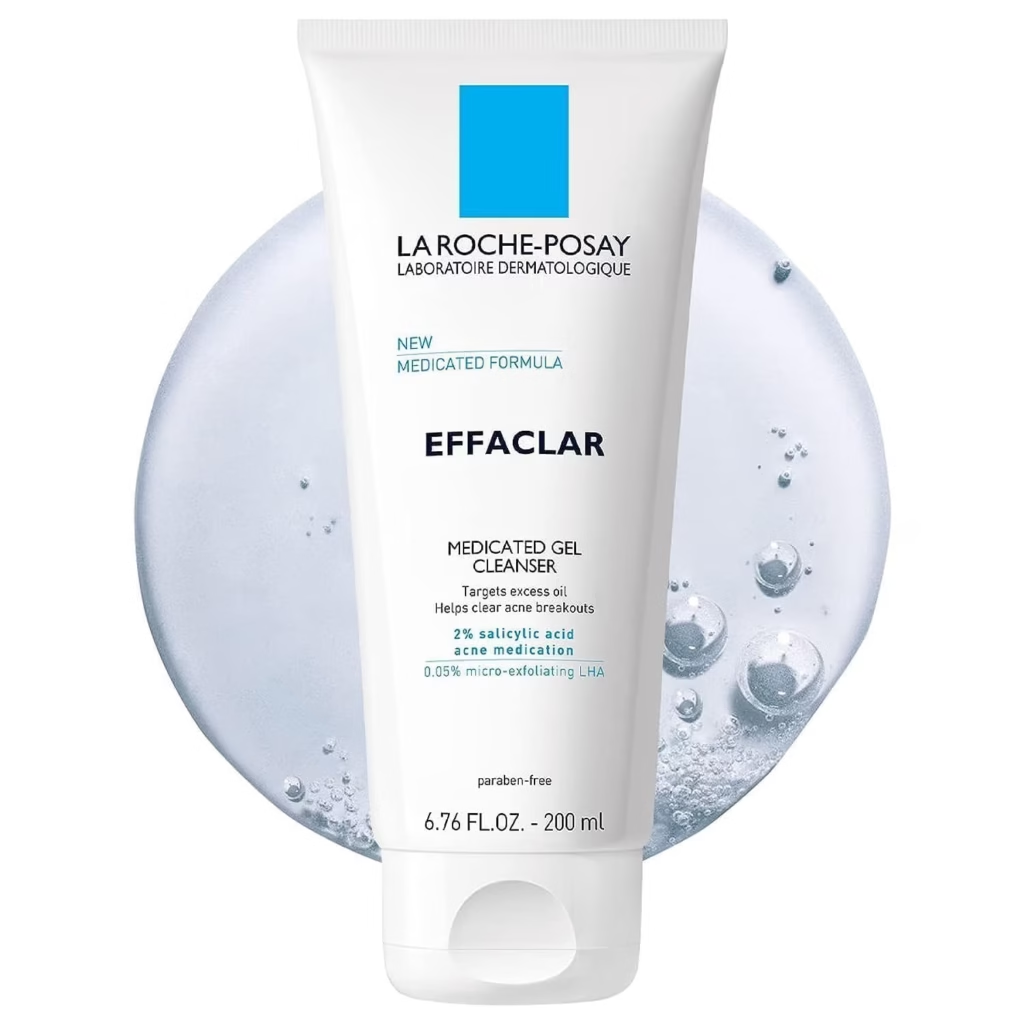
Salicylic acid is a popular ingredient in cleansers designed for oily and blemish-prone skin. It helps loosen buildup inside pores and can remove excess oil from the skin's surface. Because of these properties, many people choose salicylic acid products when clogged pores or occasional breakouts become a concern.
However, stronger does not always mean better. If your skin feels dry or irritated after using a salicylic acid cleanser, consider using it less often or choosing a gentler formula.
Niacinamide
Niacinamide, also known as vitamin B3, appears in many modern skincare products. It can support the skin barrier and may help improve the appearance of excess oil over time.
A cleanser with niacinamide can fit nicely into a simple routine, especially when you want a product that cleans your skin without focusing only on oil removal.
Gentle Cleansing Agents
A good face wash for oily skin still needs to cleanse effectively. Gentle cleansing agents can help remove sweat, dirt, sunscreen, and excess sebum without creating an uncomfortable stripped feeling.
For everyday use, focus on how your skin responds rather than choosing a product simply because it produces a lot of foam.
Ingredients to Approach With Care
Oily skin does not automatically mean that your skin can handle every strong ingredient. Products with high concentrations of exfoliating ingredients or multiple active ingredients may cause dryness or irritation, especially when you introduce several new products at once.
Fragrance can also bother sensitive skin. If your skin often reacts to skincare products, a fragrance-free option may offer a simpler choice.
Likewise, avoid choosing a cleanser only because it promises an extremely deep or intense clean. Your skin needs a healthy balance, not a completely oil-free finish.
Keep Your Skin Type in Mind
Finally, remember that oily skin can still become dehydrated or sensitive. Your cleanser should therefore support your overall routine instead of working against it.
Before buying a product, check the ingredient list, consider your skin concerns, and introduce new products gradually. This approach can make it easier to find a face wash for oily skin that feels comfortable and works well with the rest of your skincare routine.
How to Choose a Face Wash for Oily Skin
Choosing a face wash for oily skin becomes easier when you focus on how your skin actually feels and behaves. Instead of choosing a cleanser only because it says “oil control” on the label, consider your other skin concerns too.
For example, someone with oily skin and frequent clogged pores may look for a cleanser with salicylic acid. On the other hand, someone with oily but sensitive skin may prefer a gentle formula with fewer active ingredients.
Face Wash for Oily Skin and Clogged Pores
If your skin often develops clogged pores, look for ingredients that can help remove buildup. Salicylic acid remains a common choice because it can work through oil and help clear pore buildup.
However, you do not need an aggressive cleanser simply because your skin feels oily. Start with a suitable formula and give your skin time to adjust. If you notice excessive dryness or irritation, reduce how often you use the product or switch to a gentler option.
Face Wash for Oily Skin and Breakouts
Oily skin and breakouts often appear together because excess sebum can contribute to clogged pores. A cleanser with an ingredient such as salicylic acid or benzoyl peroxide may suit some people who experience blemishes.
Still, these ingredients work differently, so check the product instructions before adding one to your routine. Avoid combining several strong acne-focused products at once unless a skincare professional recommends that approach.
Face Wash for Oily Skin and Sensitive Areas
Having oily skin does not mean every part of your face needs strong cleansing. Some areas may feel sensitive, dry, or easily irritated.
In that case, choose a gentle face wash for oily skin and avoid scrubbing your face aggressively. Lukewarm water can also provide a more comfortable cleansing experience than very hot water.
Gel, Foam, or Cream Cleanser?
The texture of a cleanser can also affect how your skin feels after washing. Gel cleansers often provide a lightweight feel, while foaming cleansers can create a more thorough-feeling cleanse.
Cream cleansers may feel richer and can suit people who have combination skin with dry areas. However, texture alone does not determine whether a cleanser will work for you. Always consider the full formula and your personal skin response.
Check the Product Before You Buy
Before purchasing a cleanser, read its ingredient list and usage instructions. Also, consider whether you already use other active skincare products.
Most importantly, introduce new products gradually. This simple step makes it easier to understand how your skin responds and helps you avoid changing several parts of your routine at the same time.
How to Use Face Wash for Oily Skin Correctly
Choosing the right face wash for oily skin matters, but the way you use it matters too. A simple cleansing routine can help your skin feel fresh without unnecessary irritation.
Start by washing your hands before touching your face. Then, use lukewarm water to gently wet your skin. Apply a small amount of cleanser and massage it across your face with clean fingertips. Keep your movements gentle, especially around areas that feel sensitive.
After that, rinse your face thoroughly and pat it dry with a clean, soft towel. Avoid rubbing your skin because rough movements can cause unnecessary irritation.
How Often Should You Use Face Wash for Oily Skin?
Most people can cleanse their face once in the morning and once in the evening. However, your ideal routine depends on your skin and daily activities.
For example, if you exercise or sweat heavily, you may need to cleanse afterward. On the other hand, washing your face repeatedly throughout the day can leave your skin feeling dry or uncomfortable.
Pay attention to your skin rather than following a strict routine simply because someone else follows it. If your face feels tight after cleansing, your cleanser may feel too harsh or you may be washing too frequently.
What to Do After Cleansing Oily Skin
Cleansing should not be the final step of your skincare routine. After washing your face, apply a suitable moisturizer to help maintain comfortable skin.
During the daytime, sunscreen also plays an important role. Choose a sunscreen that feels comfortable on your skin and fits your daily routine.
At night, keep the routine simple. After cleansing, you can use your regular skincare products according to their instructions.
Avoid Overwashing Your Face
It can feel tempting to wash oily skin several times a day, especially when your face becomes shiny. However, more cleansing does not automatically mean better results.
Instead, focus on using a suitable face wash for oily skin consistently and gently. Give your skincare routine enough time to show how your skin responds.
If you experience persistent irritation, painful breakouts, or other ongoing skin concerns, consider speaking with a qualified dermatologist. A professional can help you choose products based on your individual skin needs.
Conclusion
Finding the right face wash for oily skin does not have to feel complicated. The key is to choose a cleanser that removes excess oil, dirt, and daily buildup while keeping your skin comfortable.
Look at the ingredients, consider your skin concerns, and pay attention to how your skin feels after cleansing. If you deal with clogged pores or occasional breakouts, ingredients such as salicylic acid may suit your routine. However, gentle cleansing still matters, especially if your skin feels sensitive or easily irritated.
Most importantly, avoid overwashing or constantly changing products. A simple and consistent routine can make daily skincare easier to manage. With the right cleanser and a few supportive skincare steps, you can keep oily skin feeling fresh, clean, and balanced.