Introduction
Sunscreen is one of the most important steps in a simple daily skincare routine. Whether your skin is oily, dry, sensitive, or somewhere in between, the right sunscreen can help protect it from harmful ultraviolet (UV) rays. However, choosing the best sunscreen for every skin type can feel confusing because there are many formulas, SPF levels, and textures available.
Fortunately, finding a suitable sunscreen becomes easier when you understand your skin type and know what to look for. In this guide, we will explore how sunscreen works and how to choose an option that feels comfortable while providing daily sun protection.
Why Sunscreen Matters for Your Skin
Daily sun exposure can affect the appearance and health of your skin over time. UV radiation can contribute to premature skin aging, uneven-looking skin tone, and sunburn. Therefore, using sunscreen regularly is an important part of protecting exposed skin.
Moreover, sunscreen is useful even when you are not spending the entire day outdoors. UV exposure can happen during everyday activities such as walking, driving, or sitting near windows. For that reason, applying sunscreen in the morning can be a practical addition to your skincare routine.
When choosing the best sunscreen for every skin type, look for a broad-spectrum sunscreen that protects against both UVA and UVB rays. In addition, choose an SPF that suits your daily activities and apply enough product to cover exposed areas properly.
How SPF Works
SPF, or Sun Protection Factor, mainly indicates the level of protection a sunscreen provides against UVB radiation, which is strongly associated with sunburn. However, SPF is not the only factor that matters.
For everyday use, many dermatology organizations recommend using a broad-spectrum sunscreen with SPF 30 or higher. Higher SPF does not mean you can apply less sunscreen or stay in the sun indefinitely. Instead, sunscreen should be applied generously and reapplied when needed.
Therefore, when comparing sunscreens, consider broad-spectrum protection, SPF, formula, and your skin type rather than focusing on the SPF number alone.
Best Sunscreen for Oily Skin
People with oily skin often prefer lightweight products that do not leave the face feeling greasy. A heavy sunscreen can sometimes feel uncomfortable, especially in warm or humid weather.
For oily skin, look for a lightweight lotion, fluid, or gel-like formula. Products described as non-comedogenic may also be worth considering if you are concerned about clogged pores.
Additionally, a sunscreen with a natural or matte finish can work well for people who dislike excessive shine. However, skin can still become oily during the day, so choosing a comfortable formula is more important than simply looking for the word “matte.”
The best sunscreen for every skin type is not necessarily the same product for everyone. For oily skin, comfort and texture can make a significant difference in whether you use sunscreen consistently.
Best Sunscreen for Dry Skin
Dry skin usually benefits from skincare products that provide moisture and help reduce the feeling of tightness. Consequently, people with dry skin may prefer a sunscreen with a moisturizing or cream-based texture.
Look for formulas that contain moisturizing ingredients such as glycerin, hyaluronic acid, or ceramides. These ingredients can help support the skin's moisture barrier while the sunscreen provides UV protection.
However, sunscreen should still feel comfortable on the skin. If a product feels excessively heavy or causes irritation, another formula may be more suitable.
For dry skin, applying moisturizer before sunscreen can also be helpful when additional hydration is needed. In the morning, sunscreen should generally be the final step of your skincare routine before makeup.
Best Sunscreen for Sensitive Skin
Sensitive skin may react more easily to certain skincare ingredients. Therefore, choosing a gentle sunscreen formula can be especially important.
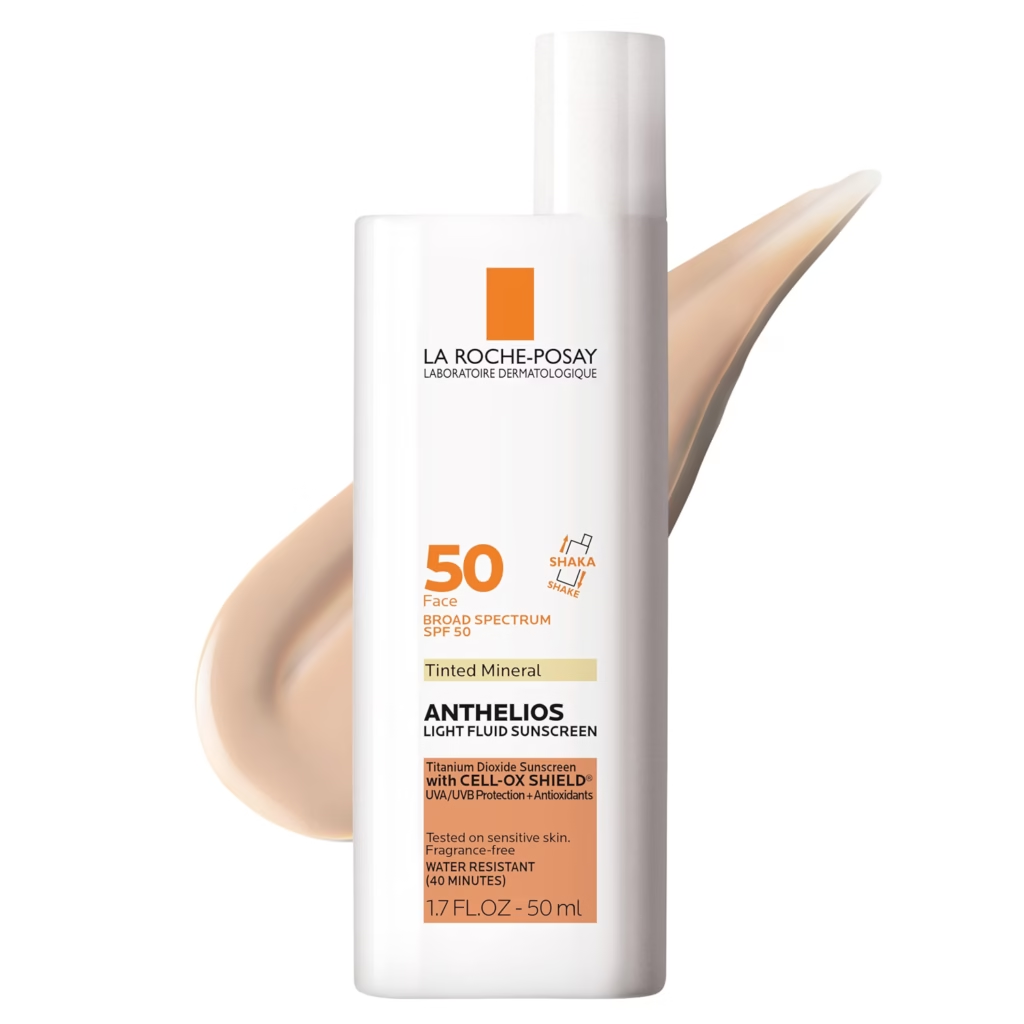
Mineral sunscreens containing zinc oxide or titanium dioxide are often considered an option for people who prefer simpler formulas. In addition, fragrance-free products may be preferable if fragrance tends to irritate your skin.
Before applying a new sunscreen to your entire face, consider testing a small amount on another area of skin first. This can help you see how your skin responds.
Most importantly, do not avoid sunscreen simply because your skin is sensitive. Instead, focus on finding a gentle formula that you can comfortably use on a regular basis.
Choosing the Right Sunscreen for Your Routine
The best sunscreen for every skin type should provide broad-spectrum protection while fitting comfortably into your daily routine. Texture, finish, ingredients, and SPF can all influence your choice.
Furthermore, the sunscreen you are most likely to apply correctly and consistently can be a practical choice. A product that feels comfortable is easier to incorporate into your morning skincare routine.
Best Sunscreen for Combination Skin
Combination skin can be slightly tricky because some areas of the face may feel oily while others feel dry. Therefore, the best sunscreen for every skin type may not feel the same on every part of the face.
A lightweight lotion or fluid sunscreen can be a practical choice for combination skin. Look for a formula that feels comfortable without making the T-zone excessively greasy. At the same time, it should not leave the drier areas feeling tight.
Moreover, applying the right amount is important. Using too little sunscreen simply because your skin feels oily can reduce the protection you receive.
Best Sunscreen for Acne-Prone Skin
If you have acne-prone skin, choosing a sunscreen that feels light and comfortable can make daily use easier. In particular, non-comedogenic formulas are designed to be less likely to clog pores.
However, everyone's skin can respond differently to skincare products. For this reason, introduce a new sunscreen gradually and pay attention to how your skin reacts.
A lightweight, fragrance-free formula may also be worth considering if your skin is easily irritated. Most importantly, sunscreen should remain part of your routine because protecting your skin from UV exposure is important even when you are dealing with breakouts.
Mineral vs. Chemical Sunscreen
Sunscreens are commonly divided into mineral and chemical formulas. Mineral sunscreens generally use active ingredients such as zinc oxide or titanium dioxide, which sit on the skin and help protect it from UV radiation.
Chemical sunscreens, on the other hand, use organic UV filters that absorb UV radiation. Both types can provide effective sun protection when properly formulated and used as directed.
Consequently, there is no single formula that works for everyone. The best sunscreen for every skin type is one that provides suitable broad-spectrum protection and feels comfortable enough for regular use.
If you have sensitive skin, you may prefer a mineral formula. Meanwhile, people who want a lightweight texture may find certain chemical or combination formulas more comfortable.
SPF 30 vs. SPF 50
SPF numbers can be confusing, but choosing between SPF 30 and SPF 50 does not need to be complicated. Both can provide substantial UVB protection when applied correctly.
For everyday use, SPF 30 or higher is commonly recommended. SPF 50 can be useful when you expect greater sun exposure, such as during outdoor activities.
Nevertheless, a higher SPF does not mean you can skip reapplication. Sunscreen can wear away through sweating, swimming, rubbing, or normal daily activity. Therefore, proper application and reapplication remain important regardless of the SPF number.
How to Apply Sunscreen Correctly
Even the best sunscreen for every skin type will not provide its intended protection if it is not applied properly.
Apply sunscreen generously to all exposed areas of the face and neck. Ideally, apply it before going outdoors so the product has time to form an even protective layer.
Do not forget commonly missed areas such as the ears, hairline, neck, and around the eyes, while taking care not to get sunscreen directly into the eyes.
If you are spending extended time outdoors, reapply sunscreen approximately every two hours, and reapply sooner after swimming or heavy sweating according to the product's directions.
Common Sunscreen Mistakes to Avoid
One common mistake is using too little sunscreen. Although a small amount may feel more comfortable, it may not provide the level of protection expected from the product.
Another mistake is applying sunscreen only on sunny days. UV exposure can still occur when the sky is cloudy, so daily protection can be useful.
Additionally, some people apply sunscreen only to the face and forget the neck and other exposed areas. Creating a consistent routine can help prevent these missed areas.
Finally, do not assume that makeup with SPF completely replaces a dedicated sunscreen. If you need sun protection, use a suitable sunscreen as part of your skincare routine and then apply makeup if desired.
Frequently Asked Questions About Sunscreen
How often should sunscreen be applied?
Sunscreen should generally be reapplied about every two hours when you are outdoors, and sooner after swimming or heavy sweating.
Is SPF 30 enough for daily use?
Yes. A broad-spectrum SPF 30 or higher can be suitable for everyday sun protection when applied correctly.
Can oily skin use sunscreen?
Absolutely. Choose a lightweight, non-comedogenic formula that feels comfortable without adding excessive shine.
Should sunscreen be used on cloudy days?
Yes. UV radiation can still reach your skin on cloudy days, so daily sunscreen can be an important part of your skincare routine.
Conclusion
Finding the best sunscreen for every skin type starts with understanding your own skin and daily routine. Oily skin may prefer lightweight textures, while dry skin can benefit from moisturizing formulas. Similarly, sensitive or acne-prone skin may need a gentler and more carefully selected product.
Most importantly, choose a broad-spectrum sunscreen with SPF 30 or higher that feels comfortable enough to use consistently. Apply it generously, cover exposed areas, and reapply when necessary.
With the right product and consistent application, sunscreen can become one of the simplest and most valuable steps in a daily skincare routine.