Introduction
Finding the best acne treatment for women starts with understanding your skin and the type of breakouts you experience. Acne can affect women during their teenage years and adulthood. Small bumps, blackheads, whiteheads, and painful pimples can appear even when you follow a regular skincare routine.
However, every acne treatment does not work the same way. Salicylic acid helps clear clogged pores, benzoyl peroxide targets acne-causing bacteria, and adapalene helps prevent new breakouts. Therefore, the right choice depends on your skin concerns, the severity of your acne, and how well your skin tolerates active ingredients.
A simple, consistent routine often works better than trying several products at once. In this guide, you will learn what triggers acne, which ingredients offer practical benefits, and how to choose a treatment without overwhelming your skin.
What Causes Acne in Women?
Acne develops when excess oil, dead skin cells, and other debris clog hair follicles. Inflammation and acne-related bacteria can then contribute to pimples. Although oily skin often experiences clogged pores, women with dry or combination skin can develop acne too.
Several factors can influence breakouts. Understanding these triggers helps you choose products that address your actual concerns instead of spending money on unnecessary treatments.
1. Hormonal Changes
Hormones can influence the amount of oil your skin produces. For example, some women notice more breakouts before their menstrual periods. Pregnancy, menopause, and certain hormonal conditions can also affect the skin.
Hormonal acne often appears around the chin, jawline, and lower cheeks. Nevertheless, the location of a pimple alone cannot confirm its cause. If acne continues to return, causes painful lumps, or leaves scars, a dermatologist can help you explore suitable treatment options.
Additionally, sudden acne alongside irregular periods or unusual facial hair growth may justify a medical evaluation. In some cases, these changes can indicate an underlying hormonal condition.
2. Excess Oil and Clogged Pores
Your skin naturally produces sebum, an oily substance that helps protect its surface. However, excess sebum can combine with dead skin cells and clog pores. This buildup can lead to blackheads, whiteheads, and inflammatory pimples.
For this reason, women with oily or acne-prone skin may benefit from gentle cleansing and ingredients that help unclog pores. However, removing every trace of oil can backfire. Harsh cleansers and frequent washing may irritate your skin without solving the underlying problem.
Instead, choose a gentle cleanser and avoid scrubbing your face aggressively. Clean skin does not need to feel tight or dry after washing.
3. Skincare Products and Irritation
Some heavy creams, makeup products, and hair products may contribute to clogged pores in acne-prone skin. Consequently, choosing products labelled non-comedogenic can help you avoid ingredients or formulas that may clog pores.
Your skincare habits also matter. For instance, combining several exfoliating acids, strong acne treatments, and abrasive scrubs can irritate your skin. This irritation may cause redness, peeling, and discomfort, making your routine harder to maintain.
Therefore, introduce one new treatment at a time. Give your skin time to adjust, and use a gentle moisturiser to support its protective barrier.
4. Stress, Sleep, and Everyday Habits
Stress does not directly explain every breakout, but it may worsen acne for some people. Similarly, poor sleep can affect overall well-being and make a consistent skincare routine more difficult.
Diet may also influence acne in certain individuals. Some research suggests a possible connection between high-glycemic foods and acne, although dietary effects vary. Rather than following a restrictive diet, focus on balanced meals and notice whether specific habits consistently affect your skin.
Most importantly, acne does not mean you have poor hygiene. Washing your face repeatedly or blaming yourself for breakouts will not provide a reliable solution.
Which Ingredients Work Best for Acne?
The best acne treatment for women depends on whether you mainly experience blackheads, whiteheads, inflamed pimples, or recurring breakouts. Fortunately, several well-known ingredients target these concerns in different ways.
Salicylic Acid for Blackheads and Clogged Pores
Salicylic acid belongs to a group of ingredients called beta hydroxy acids (BHAs). It helps loosen the buildup of dead skin cells inside pores, making it useful for blackheads, whiteheads, and mild acne.
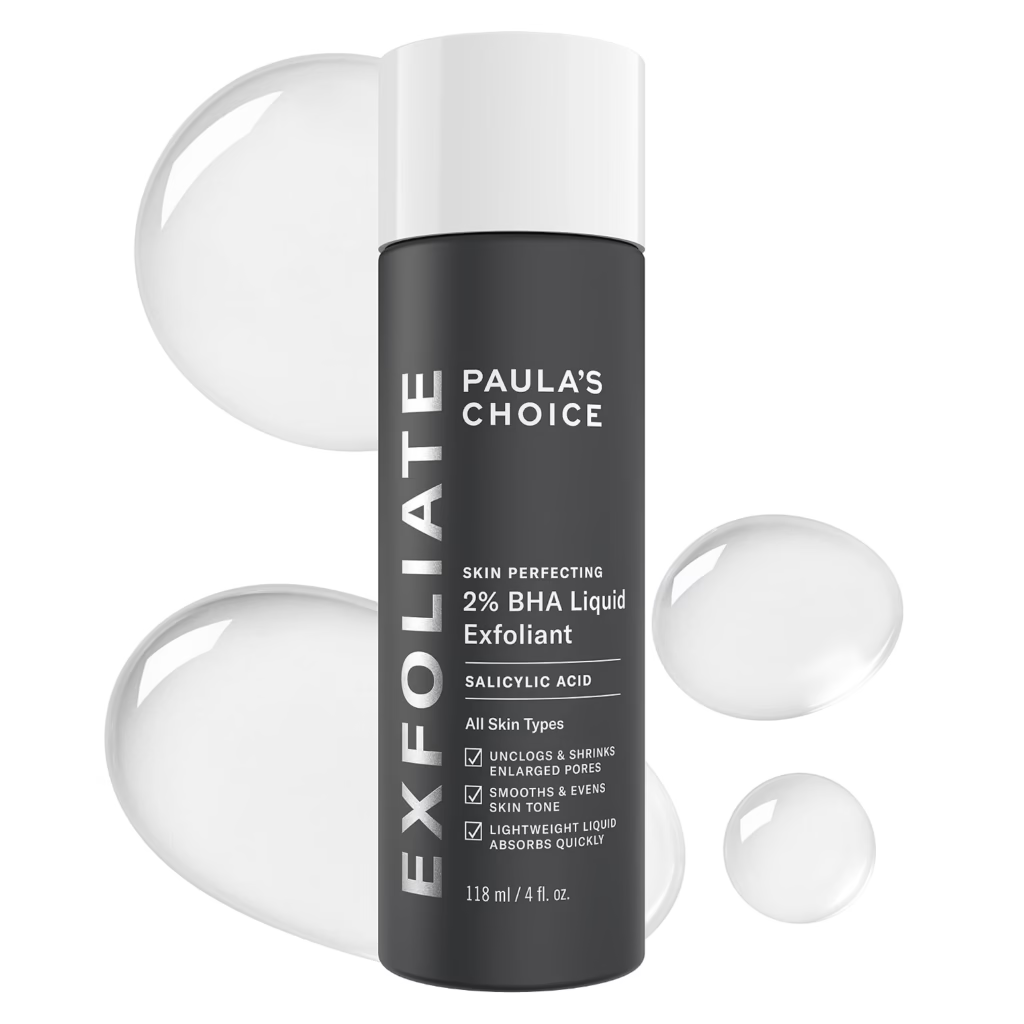
For example, many over-the-counter products contain salicylic acid in concentrations ranging from 0.5% to 2%. A product such as Paula’s Choice Skin Perfecting 2% BHA Liquid Exfoliant provides one option for people who want a leave-on exfoliant.
However, stronger or more frequent use does not automatically produce better results. Start with the product’s directions and use it less often if your skin develops dryness or irritation. In addition, avoid combining multiple exfoliating products at the beginning of your routine.
Salicylic acid can help manage clogged pores, but deep, painful acne may need a different approach.
Benzoyl Peroxide for Red, Inflamed Pimples
Benzoyl peroxide helps reduce acne-related bacteria and can improve inflamed pimples. You can find it in face washes, gels, and other acne treatments. Different products contain different concentrations, so check the label before choosing one.
If you have sensitive skin, start cautiously because benzoyl peroxide can cause dryness, redness, and peeling. Follow the product instructions, and use a gentle moisturiser to reduce discomfort.
Another important point: benzoyl peroxide can bleach towels, pillowcases, and clothing. Therefore, rinse wash-off products thoroughly and choose white towels when practical.
For many people, benzoyl peroxide offers a useful option for inflammatory acne. Nevertheless, persistent or severe breakouts may require professional treatment.
Adapalene: Best Acne Treatment for Women With Recurring Acne
Adapalene is a topical retinoid that can help make the best acne treatment for women more effective by preventing clogged pores. It treats blackheads, whiteheads, and some inflamed pimples, making it useful for women who experience recurring breakouts.
Unlike spot treatments, adapalene helps prevent new acne from developing. Therefore, women searching for the best acne treatment for women may consider adapalene when recurring clogged pores remain a concern.
However, adapalene can cause dryness, redness, and irritation during the first few weeks. To use this acne treatment for women carefully, follow the product directions, introduce it gradually, and apply a gentle moisturiser.
Patience also matters when choosing the best acne treatment for women, because visible improvements can take several weeks. Avoid applying extra product to speed up results. If you are pregnant or planning pregnancy, consult a healthcare professional before using adapalene or another topical retinoid.
Niacinamide: Supportive Care in the Best Acne Treatment for Women
Niacinamide, a form of vitamin B3, helps support the skin barrier and may improve the appearance of excess oil and redness. As a result, it can complement the best acne treatment for women by supporting skin comfort during an acne-focused routine.
However, niacinamide does not replace established acne treatments for everyone. Women looking for the best acne treatment for women should treat niacinamide as a supportive ingredient rather than a guaranteed solution for persistent acne.
If your skin reacts easily, introduce niacinamide gradually and choose a straightforward formula. This approach can help women build a comfortable acne treatment routine without using too many active ingredients.
How to Choose the Best Acne Treatment for Women
Choosing the best acne treatment for women starts with identifying your main concern. Salicylic acid may help with blackheads and clogged pores, while benzoyl peroxide can help manage inflamed pimples. Meanwhile, adapalene may help prevent recurring breakouts.
Your skin type also matters when selecting the best acne treatment for women. If your skin feels dry or tight, use a gentle cleanser and moisturiser alongside your acne treatment. For oily skin, lightweight, non-comedogenic products can help maintain a comfortable routine.
Most importantly, choose the best acne treatment for women gradually by introducing one active ingredient at a time. Follow product directions and monitor your skin before adding another treatment. This method helps you identify irritation and understand which products suit your skin.
Finally, if you need the best acne treatment for women because your acne causes deep, painful lumps, leaves scars, or persists despite consistent care, consult a dermatologist. Professional guidance can help you find a suitable treatment and reduce the risk of lasting skin marks.
Best Acne Treatment for Women: Products Worth Considering
Choosing the best acne treatment for women becomes easier when you compare products by their purpose, formula, and suitability for your skin. The following options offer different approaches to acne care. However, no single product guarantees clear skin for everyone.
1. Paula’s Choice Skin Perfecting 2% BHA Liquid Exfoliant
Paula’s Choice Skin Perfecting 2% BHA Liquid Exfoliant is worth considering if clogged pores, blackheads, and uneven skin texture concern you. Its lightweight, leave-on formula makes it a practical option for women who prefer an exfoliant instead of a physical facial scrub.
One advantage of this product is its straightforward application and focus on pore congestion. It can fit into a simple routine without adding another cleansing step. For women searching for the best acne treatment for women, it may be a useful choice when blackheads and clogged pores are the main concerns.
However, the formula may irritate sensitive or already-dry skin, especially when combined with other exfoliating products. Start according to the label directions and avoid using several strong treatments together.
2. CeraVe Acne Foaming Cream Cleanser
CeraVe Acne Foaming Cream Cleanser is another option to consider when choosing the best acne treatment for women, particularly if you prefer a cleanser that targets acne during face washing. Its benzoyl peroxide formula helps manage acne-causing bacteria and inflammatory breakouts.
CeraVe also includes ceramides in its skincare formulas, which can help support the skin barrier. The cleanser format may appeal to women who want to include an acne-focused product in their existing washing routine rather than add another leave-on treatment.
Nevertheless, benzoyl peroxide can cause dryness and irritation. Check the product label for its concentration and directions, rinse thoroughly, and remember that benzoyl peroxide may bleach fabrics. If your skin feels excessively dry, reduce use according to the label or seek professional advice.
3. Differin Gel 0.1% Adapalene
Differin Gel 0.1% Adapalene is an option for women dealing with recurring acne and clogged pores. Unlike a product designed only for individual spots, it targets the development of acne across the treated area.
For women comparing the best acne treatment for women, Differin may appeal because it uses an established topical retinoid rather than relying only on surface cleansing. Consistent use according to the product directions can help improve acne over time.
However, adapalene may cause irritation during the adjustment period, and results do not appear overnight. Use a moisturiser and daily sunscreen, and avoid adding multiple irritating treatments at once. Do not use adapalene during pregnancy or when planning pregnancy without appropriate medical guidance; consult a healthcare professional about safer alternatives.
4. The Ordinary Niacinamide 10% + Zinc 1%
The Ordinary Niacinamide 10% + Zinc 1% is worth considering if you want a lightweight serum to complement your best acne treatment for women routine. Its formula combines niacinamide with zinc PCA and may suit people who want additional support for the appearance of excess oil and uneven skin texture.
The serum can fit into a routine with a gentle cleanser and moisturiser. Its lightweight texture may also appeal to people who dislike heavy skincare products.
However, this serum is not a complete acne treatment on its own. Its relatively high niacinamide concentration may not suit every skin type, so introduce it gradually and stop if irritation persists. If your main concern is painful or severe acne, prioritise appropriate acne treatment rather than relying on a cosmetic serum alone.
A Simple Skincare Routine for the Best Acne Treatment for Women
The best acne treatment for women works best as part of a routine that cleanses gently, protects the skin barrier, and limits unnecessary irritation. You do not need every product mentioned above. Instead, choose a treatment that matches your main concern and build your routine around it.
Morning Routine
Start your morning routine with a gentle cleanser that removes overnight oil without leaving your skin tight. Next, apply a lightweight moisturiser that suits your skin type. Even oily skin benefits from moisturising because harsh or drying routines can make skincare uncomfortable.
Finish with a broad-spectrum sunscreen rated SPF 30 or higher. Daily sun protection is an important part of the best acne treatment for women, particularly when you use products that may cause irritation. Sunscreen also helps protect against dark marks that can remain after pimples heal.
If you use an acne treatment in the morning, follow its label instructions and consider whether your skin tolerates the combination comfortably.
Evening Routine
At night, remove makeup and sunscreen with a gentle cleanser. Then apply your selected acne treatment according to its instructions. Finish with a moisturiser to help maintain skin comfort.
For a manageable best acne treatment for women routine, avoid starting salicylic acid, benzoyl peroxide, and adapalene all at once. Using several active ingredients together may increase irritation and make it difficult to identify which product causes a reaction.
Instead, introduce products gradually. If you plan to use more than one acne medicine, ask a pharmacist, dermatologist, or other qualified healthcare professional how to combine them safely.
Common Mistakes to Avoid When Choosing the Best Acne Treatment for Women
Even a suitable product may disappoint when you use it incorrectly. Therefore, women looking for the best acne treatment for women should avoid habits that can undermine their skincare routine.
First, do not scrub pimples or squeeze inflamed spots. These habits can increase inflammation and raise the risk of scarring. Instead, cleanse gently and allow your treatment time to work.
Second, do not switch products every few days because you cannot see immediate results. Many acne treatments need several weeks to show meaningful improvement. Follow the directions consistently, provided your skin tolerates the treatment.
Third, avoid applying more product than recommended. Extra product rarely speeds up results and may cause redness, peeling, or discomfort. If irritation becomes persistent or severe, stop the irritating product and seek professional advice.
Finally, do not judge the best acne treatment for women by popularity alone. Consider your type of acne, skin sensitivity, budget, and the product's intended use. A simple routine that you can maintain comfortably may serve you better than an expensive collection of products.
When Should Women See a Dermatologist for Acne?
Over-the-counter products can help with many mild acne concerns, but they cannot address every case. If your search for the best acne treatment for women involves deep, painful nodules, cyst-like breakouts, or developing scars, seek advice from a dermatologist.
Professional guidance can also help when acne continues despite consistent treatment or significantly affects your confidence and daily life. A dermatologist may recommend prescription medicines or investigate possible contributing factors, including hormonal conditions.
If a product causes swelling, blistering, or a severe reaction, stop using it and seek prompt medical advice. Do not continue a treatment simply because you expect an initial adjustment period.
Conclusion
The best acne treatment for women depends on your skin's needs rather than the number of products you use. Paula’s Choice BHA may suit clogged pores, CeraVe's benzoyl peroxide cleanser may help with inflamed pimples, Differin may help manage recurring acne, and The Ordinary's niacinamide serum may provide supportive skincare.
Choose one suitable treatment, follow its directions, moisturise regularly, and protect your skin with sunscreen. Most importantly, give your routine time to work and seek professional advice when acne becomes painful, persistent, or leaves scars.